TECHNICAL REPORT
SURGICAL CAMPAIGN FROM JULY 4-13, 2026 AT BISHOP ASILI MEMORIAL HOSPITAL (LUWERO, UGANDA)
DATES AND LOGISTICS DEVELOPED
The surgical campaign took place between July 4 and 13, 2026 at the Bishop Asili Memorial Hospital in Luwero, Uganda, as part of a mission jointly promoted by the Surgeons in Action Foundation and the César Ramírez Solidarity Scalpel Foundation.
The pre-campaign proposal initially suggested that the mission be integrated into the international Hernia Aid Uganda project, promoted by Hernia International, the Rotary Foundation, and partner organizations. The planned objective combined clinical activity, training of local staff, and strengthening of the center’s surgical and sterilization capabilities.
However, once at the hospital, it became clear that, due to a prior communication and coordination problem on the part of Hernia International, the necessary conditions for carrying out the planned specific training component were not available. Consequently, the team adapted its approach and proceeded to conduct a conventional surgical campaign, maintaining the care-oriented, cooperative, and educational nature that characterizes the missions of Bisturí Solidario and Cirujanos en Acción.
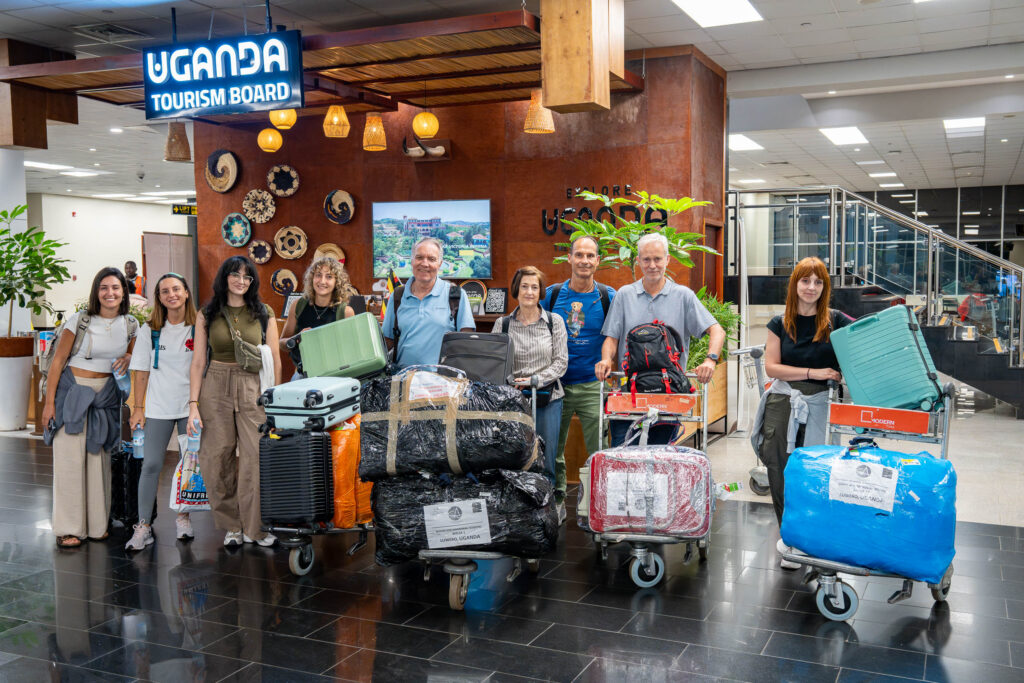
The team traveled from various points in Spain (Málaga, Madrid, and Las Palmas), with an intermediate stop in Istanbul, Turkey, where the entire expedition reunited before continuing their journey to Kampala. They arrived in Uganda in the early hours of Sunday, July 5th, and traveled to Luwero in cars arranged by the local coordinator and medical director of Herona. Community Hospital, Dr. Henry Garvin, thanks to the services of Acleva Tours, whose manager, a guide named Acleva, accompanied us each day and was attentive to our needs. After about 3 hours of travel, we arrived to rest and then begin organizing the equipment and preparing the operating rooms for the day.
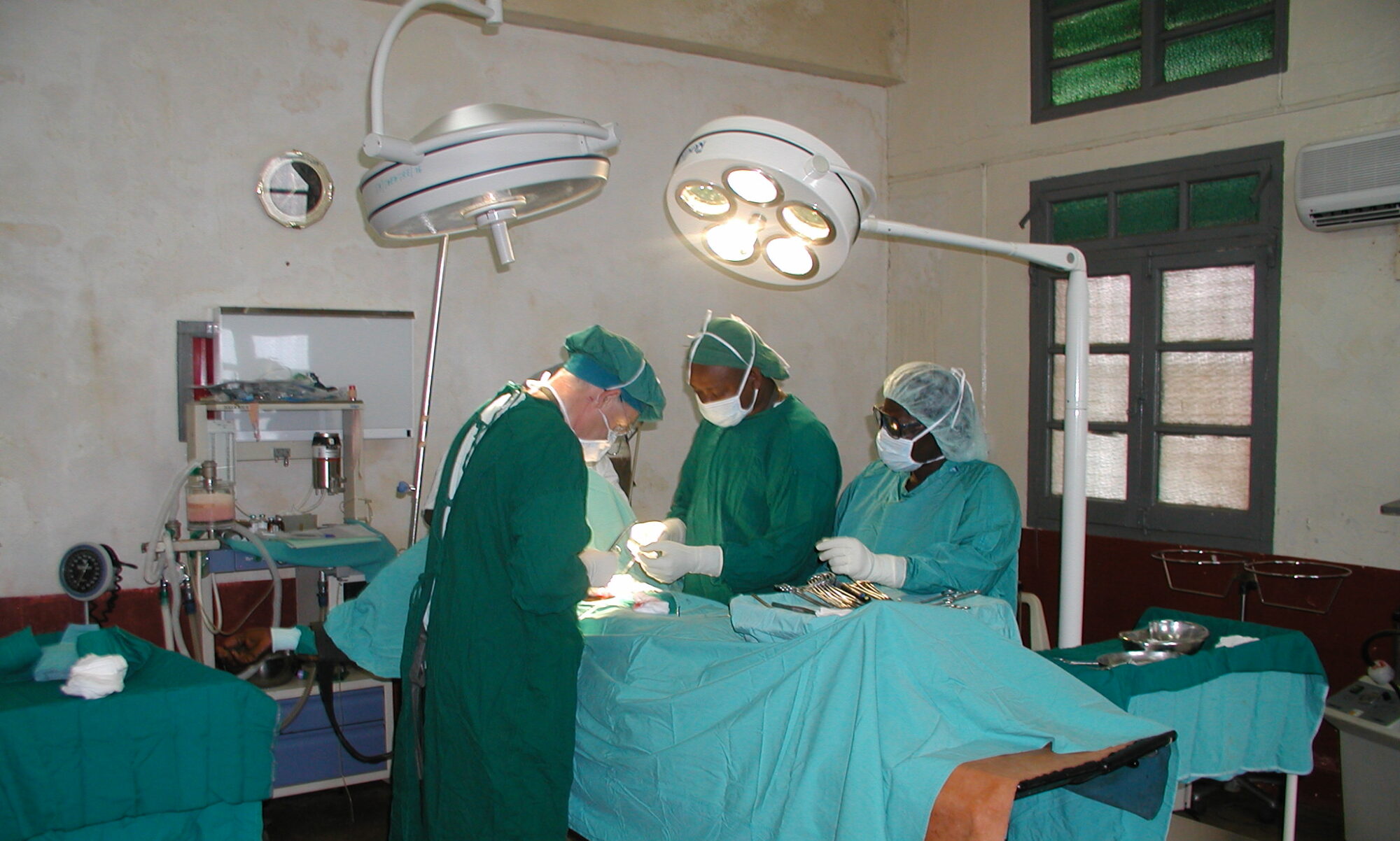
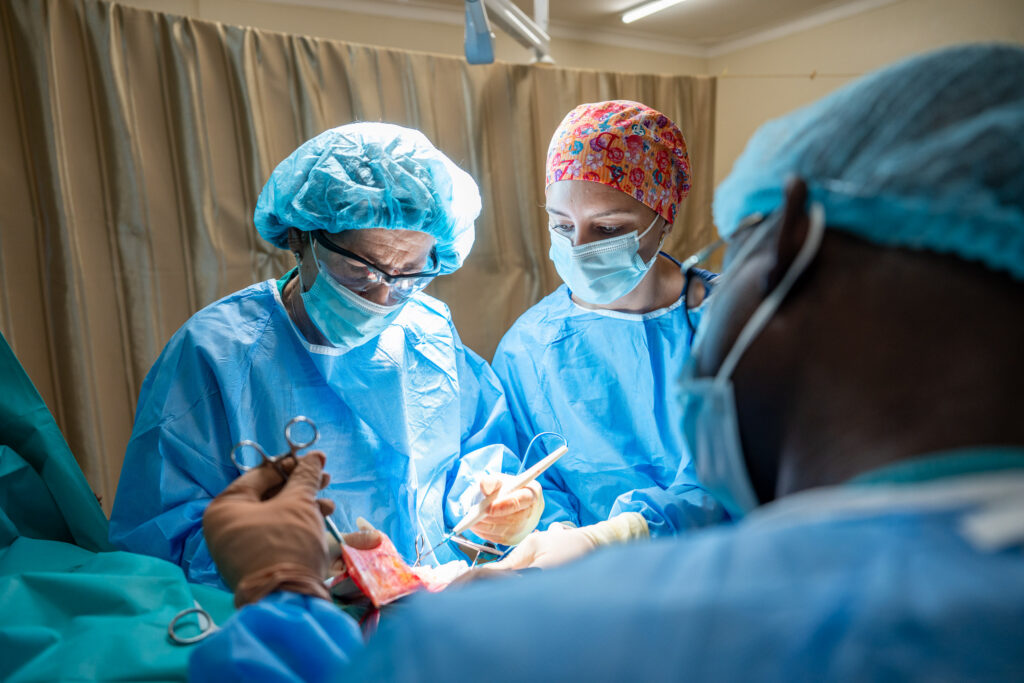
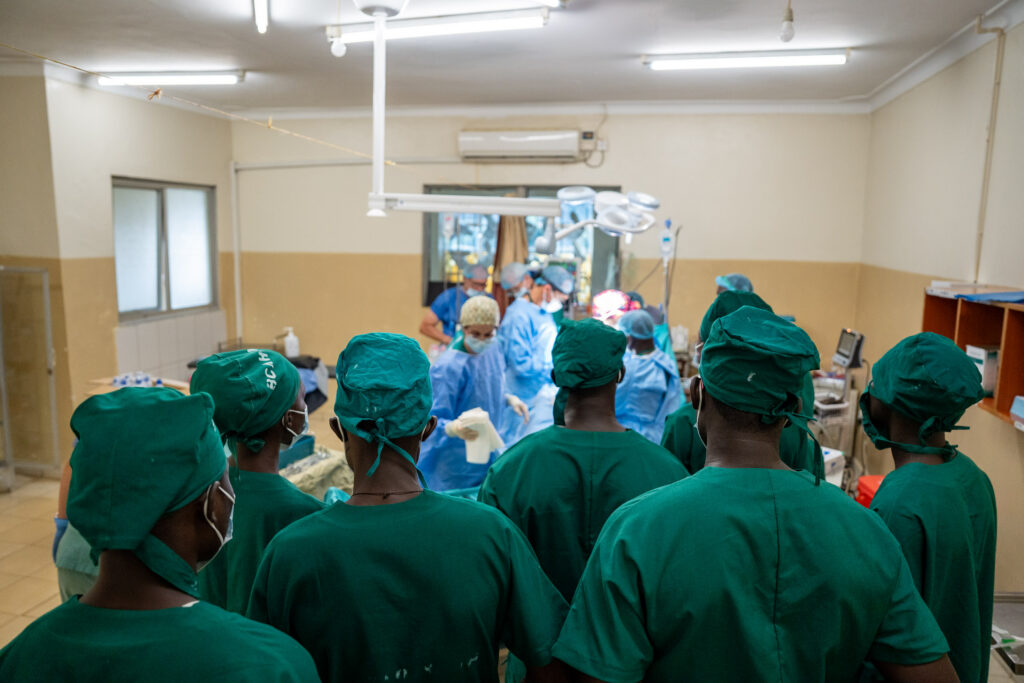
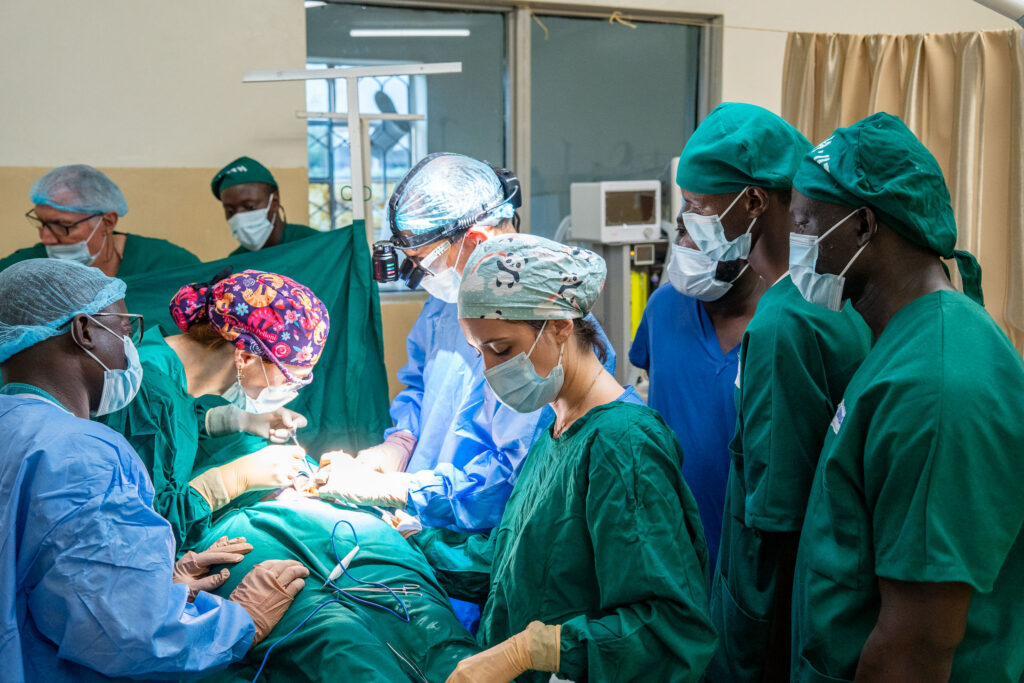
The surgical sessions took place over six consecutive days of intense activity until noon on Saturday, July 11th. Two operating tables were used simultaneously, and sometimes a third table was set up in another operating room for less complex procedures performed under local anesthesia. Operations began each morning around 8:15 a.m. and continued into the late afternoon or evening, depending on the volume of surgeries and the complexity of the cases.
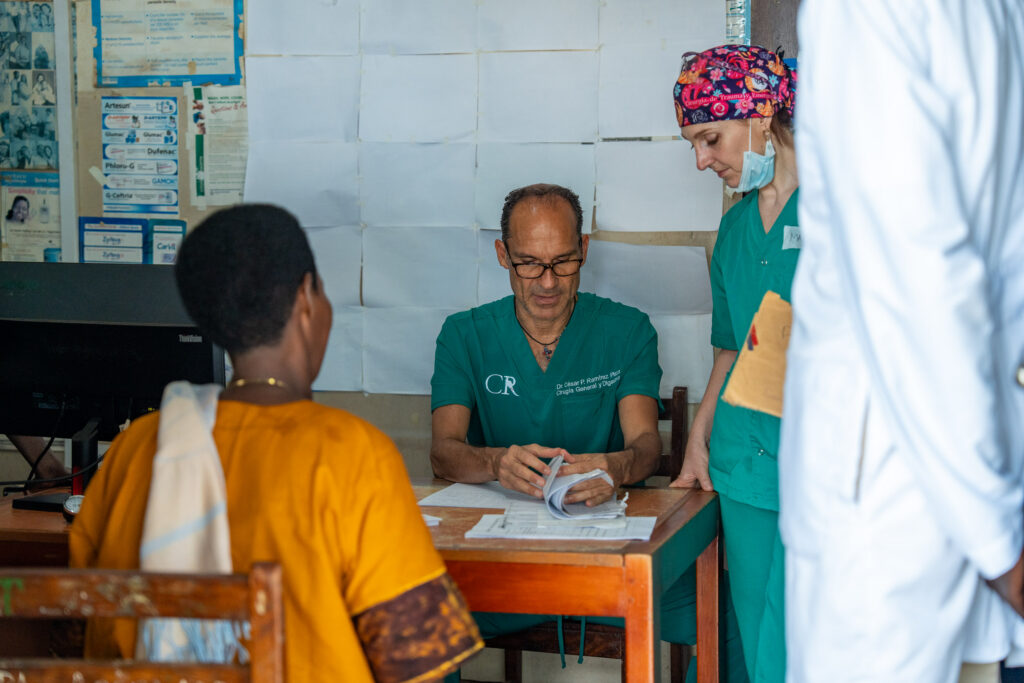
The hospital’s logistical coordination was particularly effective, led by Sister Earnestine, the center’s director and a key figure in ensuring that no supplies, medication, or any other resources necessary for maintaining operations were lacking. When technical issues arose during the mission, including one related to the anesthesia machine, she arranged for a technician to be located and assisted.
The team’s adaptability and the collaboration of local staff made it possible to maintain the pace of care even though the actual conditions of the mission differed from those initially planned.
The trip, as with every surgical campaign led by Dr. César Ramírez, was managed by Quest Viajes through Silvia Bayolo, a trusted individual responsible for coordinating the volunteers’ flights. This time, the journey departed from Madrid and Málaga, with the final destination being Entebbe (Kampala), and a layover in Istanbul. Turkish Airlines is generally known for its efficient and reliable service and has been used by the expedition on previous trips. However, this time a significant issue arose with the checked baggage, as approximately half of the items carried by the team failed to arrive in Entebbe and were held at Istanbul Airport. This situation required the team to contact the airline and reorganize part of the campaign’s logistics during the first few days until the equipment was recovered and gradually delivered.
Given the number of professionals that made up the expedition, around 450 kilograms of medical equipment were transported to Uganda, including surgical instruments, sutures, anesthetic medication and various consumable materials essential to ensure the proper development of the campaign.
Regarding the Visa, there are two ways to obtain it: either through the Spanish consulate in Uganda, which manages the entire process by sending them the necessary information and offers a tracking service, all for a cost of €90; or through an external online platform, which can be obtained for €50. However, there were several issues with some members of our team, and we didn’t receive approval until the last minute, after trying to contact the immigration service through various channels. This situation caused considerable anxiety.
The team stayed at the St. Paul Hotel in Luwero, a small complex about a 10-minute walk from the hospital, consisting of a building, gardens, and a restaurant. With spacious rooms, all equipped with mosquito nets, good air conditioning, and private bathrooms, as well as excellent catering for breakfast, lunch (which was delivered to the hospital), and dinner, this accommodation ensured a good night’s sleep, service, and comfort throughout the campaign. Considering all these amenities, the price of approximately €300 per person for a week makes it a good value option.
Regarding food, although the team brought a fair amount of cold cuts, snacks, and canned goods, the hotel provided a complete and varied diet, with the option to request a specific item each day. Additionally, the hospital provided coffee, tea, and homemade snacks for between matches. Food was never a problem; quite the opposite.
The transport, arranged by Dr. Henry Garvin to go to and from Luwero and to the hospital each day, was done by the typical minibus, with which he carried out the transport from the airport to Luwero, as well as the daily transport to the hospital for those who did not want to walk, taking less than 5 minutes.
The Bisturí Solidario Foundation once again played a key role in financing and organizing the expedition, covering a large part of the logistical costs and ensuring the transport of essential materials to perform safe surgery in an environment with limited resources.
NUMBER OF PATIENTS UNDERGOING SURGERY
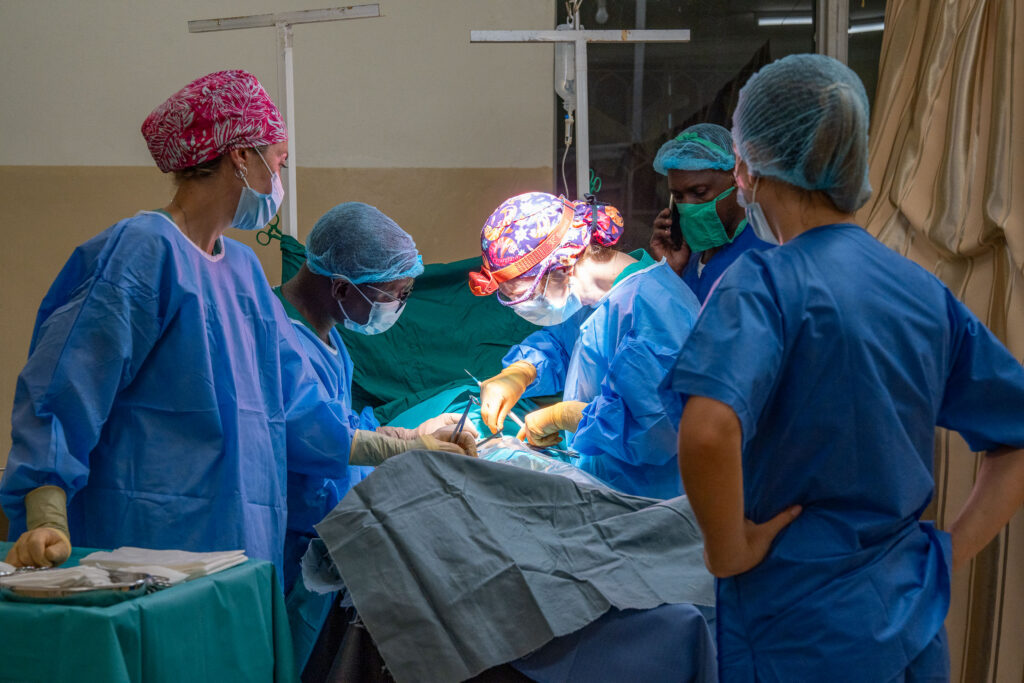
The surgical database records a total of 86 patients and 104 surgical procedures. The distribution by sex was 44 men and 42 women. Five patients were minors. The approximate mean age was 47.8 years, with patients ranging from 13 to 84 years old.
Abdominal wall pathology constituted the main care group, with 58 patients registered. Repairs were performed on inguinal, inguinoscrotal, femoral, umbilical, epigastric, supraumbilical, and recurrent hernias, using different techniques depending on the characteristics of each patient.
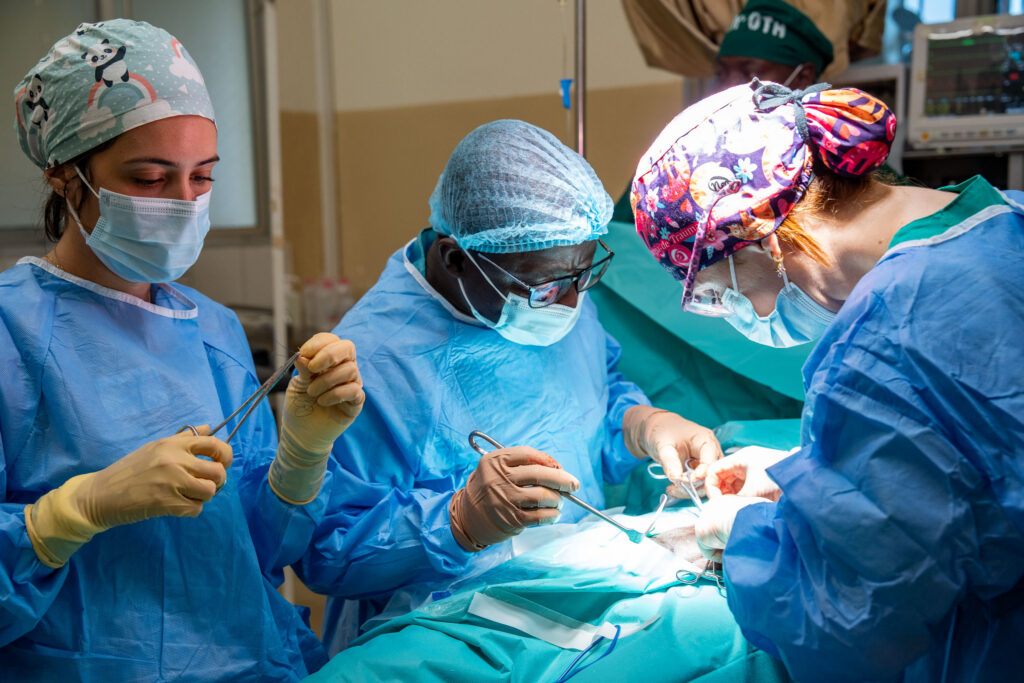
The Lichtenstein repair was one of the most frequently used techniques in inguinal hernia surgery, complemented by preperitoneal approaches such as the Berliner and Nyhus procedures, as well as other repair techniques. The campaign was unable to implement the specific mosquito mesh repair training program planned within the Hernia Aid project, as the center did not meet the previously communicated requirements.
In addition to hernia pathology, 7 thyroid surgery procedures were performed, along with hydroceles, lipoma resections and other soft tissue injuries, gynecological surgery and an urgent abdominal intervention.
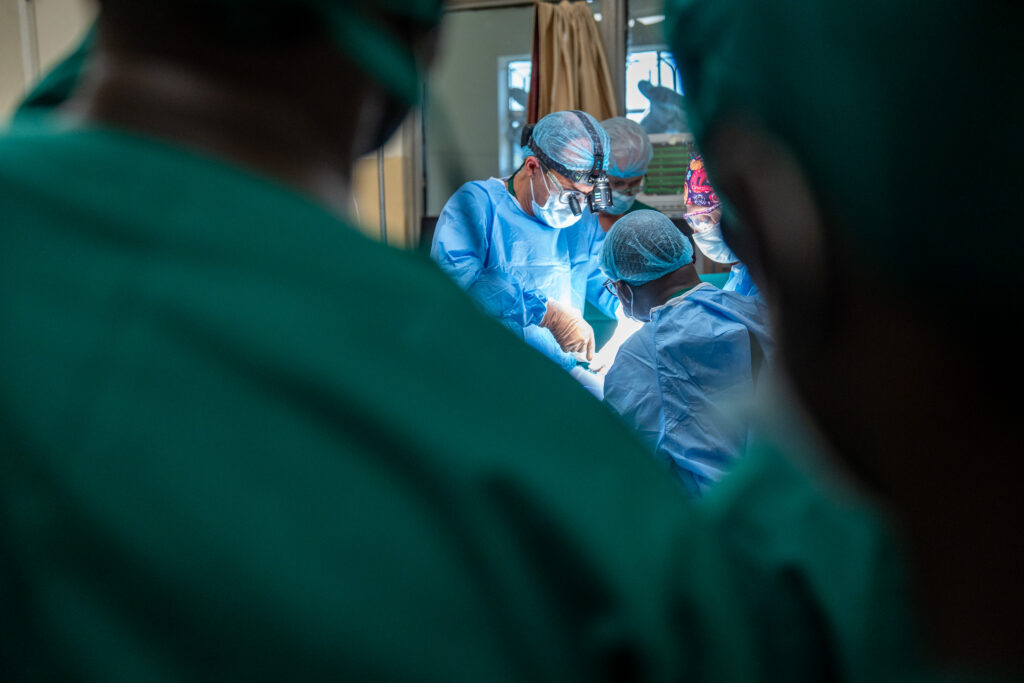
It is worth highlighting a case of urgent surgery for acute peritonitis, operated on by lavage and appendectomy under general anesthesia, but the patient died in the postoperative period as a result of the scarce means of monitoring, follow-up and treatment after surgery.
THE PLACE
Uganda is an East African country with significant inequalities in access to specialized healthcare. Although progress has been made in recent decades, large rural and peri-urban areas continue to face limitations in infrastructure, material resources, skilled professionals, and access to safe surgery.
Luwero district, located in the central region of the country, is predominantly rural and heavily reliant on agriculture. Economic, geographic, and healthcare barriers mean that many patients live for years with potentially treatable surgical conditions.
The high prevalence of advanced hernias observed during the campaign confirms the need to maintain surgical cooperation programs that allow for the reduction of waiting lists and the treatment of pathologies that, without this type of initiative, may remain unattended for long periods of time.
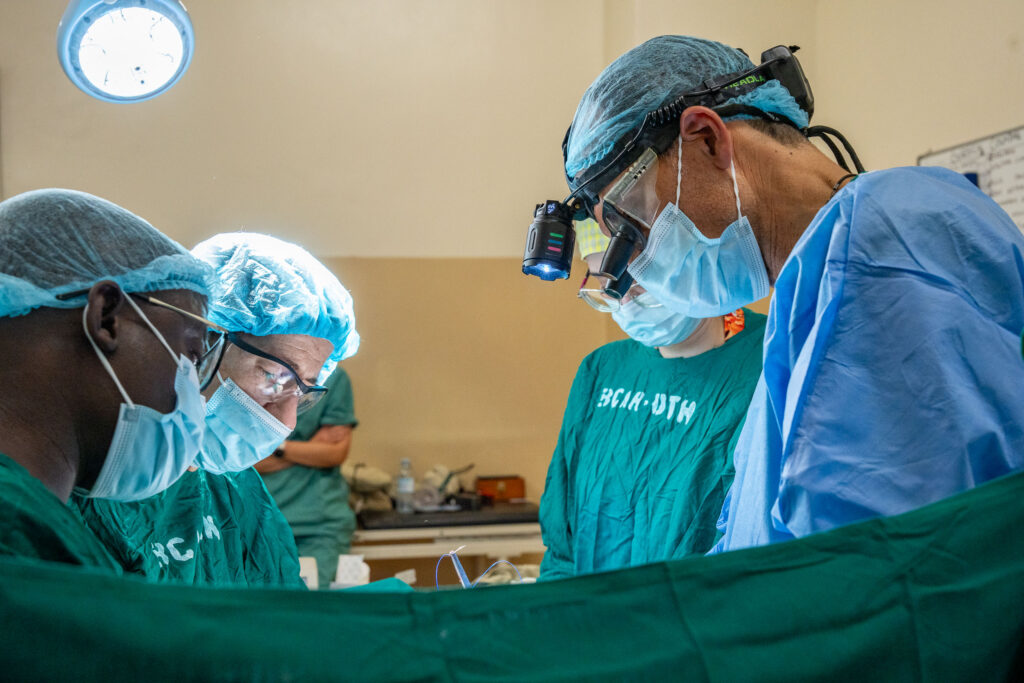
In the case of the Bishop Asili Memorial Hospital in Luwero, it is a hospital center with some experience in hosting surgical campaigns like this, whether from foreign expeditions from NGOs or from medical groups of different specialties at the national level.
During the stay in Luwero, no significant security incidents were reported that affected the campaign. The environment was perceived as calm and stable, even when walking back to the hotel at night. However, there were no trips outside the accommodation, other than to the hospital and to and from the capital.
THE TEAM
The team deployed to Uganda consisted of a total of 11 members:
General and Digestive Surgery
- Dr. César P. Ramírez Plaza (campaign leader).
- Dr. Mª Teresa Butrón Vila.
- Dr. Maria Pelloni .
- Dr. Paul Fillie* .
Anesthesiology
- Dr. Filadelfo Bustos .
- Dr. Jesús Barrera .
Nursing
- Lidia Honeine Morales .
- Olga Clemente Hernández .
- Ana Ferrer Gómez .
- Marta Villarraso Gómez.
Communication and logistics
- Javier Budi Garrido.
*Dr. Paul Fillie’s participation deserves special mention. A native of Sierra Leone and a recent graduate as a surgeon from Kampala University, Paul completed his specialized training thanks to the financial support of the Scalpel Solidarity Foundation weeks before the start of the campaign, so he waited to join the team before returning to his home country.
The relationship between Paul and Dr. César Ramírez dates back to a surgical campaign held years ago in 2019 at the Freetown Police Hospital, where Dr. Ramírez promised to help him finance his surgical studies. Their reunion in Luwero therefore takes on special significance: Paul was no longer participating as a student or beneficiary, but as a surgeon on the team, embarking on a new professional path of caring for and helping his community through surgery.
Paul thus becomes the first scholarship recipient to complete his training within the Bisturí Solidario“Training Grants” action plan and subsequently participates as a professional in a surgical campaign. This case particularly exemplifies the Foundation’s cooperation model, based not only on immediate assistance but also on training professionals who can contribute to strengthening the healthcare systems of their own countries.
THE HOSPITAL
Bishop Asili Memorial Hospital is located in Luwero, approximately 60 kilometers north of Kampala. It is a general community hospital belonging to the Catholic Diocese of Kasana-Luwero and accredited by the Uganda Catholic Medical Bureau.
The center has approximately 100 beds and provides general medicine, surgery, obstetrics and gynecology, radiology, maternal and child health services, laboratory services, and other healthcare services. It has several operational operating rooms and sterilization systems and has previously received support from international organizations.
During the campaign, the hospital demonstrated a good capacity for integrating the visiting team and a collaborative attitude from its staff. However, the actual needs for supplies, medication, and maintenance of certain equipment highlighted the importance of having a local coordination team with the capacity for immediate response.
One of the most important aspects was the close collaboration with local professionals, which allowed for the development of surgical procedures while maintaining a dynamic of mutual learning. Although the specific educational component of Hernia Aid could not be carried out as planned, clinical cooperation was maintained throughout the mission.
In terms of human resources, the hospital has a good structure by areas, as well as a staff that is mostly young, but with developed knowledge and professionalism.
EQUIPMENT The deployed team transported surgical instruments, consumables, medication, and other resources necessary to ensure the safe development of surgical activity in an environment with limited resources.
The availability of certain equipment and materials was reviewed during the first few days, and any needs that arose were addressed. Sister Earnestine’s coordination was especially important in locating supplies or medication when necessary.
During the mission, an incident also occurred with the anesthesia ventilator. The center’s director arranged for a technician to resolve the problem and restore the equipment to working order, preventing the incident from significantly disrupting surgical procedures. However, the problem persisted and prevented the uninterrupted continuation of surgeries requiring general anesthesia.
ASEPSIS: Surgical activity was carried out following the asepsis and sterilization procedures available at the center, with joint participation of local staff and the deployed team.
The sterilization process went through different phases because there was no advanced autoclave, but rather the typical “pressure cookers”, where the material was placed after being cleaned by hand and undergoing a prior disinfection process.
Despite not having an advanced sterilization process, surgical instrument boxes and other materials were always available on time when needed.
STAFF: The collaboration of the local staff was one of the main positive aspects of the campaign. The mission was carried out with a philosophy of integration and teamwork, preventing the visiting team from operating in isolation from the host hospital.
Sister Earnestine, head of the hospital, played a vital role in the overall coordination. Her availability and responsiveness ensured that logistical needs were met throughout the campaign, from supplying materials and medication to handling technical issues.
Special mention must be made of Juliet Ajaa Naume, the operating room supervisor and Sister Earnestine’s extension in the surgical area. Despite her youth, she demonstrated exceptional professionalism, excellent organizational skills, and a wonderful rapport with both patients and staff. Her work facilitated communication among all team members, the smooth flow of patients, and the organization of surgical procedures.
The excellent understanding generated with Juliet led the Bisturí Solidario Foundation to offer her the necessary financial support to cover her emergency nursing studies, with the goal that she can later fulfill her dream of accessing a career in Medicine, training that is also expected to be supported by the Foundation.
Also noteworthy is Dr. Ben Alex Byentaka, a general practitioner at Bishop Asili Memorial Hospital, whose participation was fundamental both in the recruitment and selection of patients and in the development of the surgical procedures. Throughout the campaign, he demonstrated great professionalism, initiative, and ease in the surgical environment, seamlessly integrating into the team dynamic and showing a clear vocation for surgery. His commitment and professional skills motivated the Bisturí Solidario Foundation to commit to supporting his academic development, with the goal of enabling him to begin his specialized training in General Surgery during the 2027-2028 academic year.
OUR DAILY LIFE
With an estimated duration of almost 15 hours, including layover time, the team arrived at Entebbe Airport (Kampala) on Sunday, July 5th at about 4 a.m., where Dr. Henry Garvin was waiting with a minibus and an ambulance to transport all the equipment. However, only half of the packages arrived, as the other half was left halfway at Istanbul Airport and did not arrive until two days after the start of the campaign, when we were notified by the airport’s customs office.
From there, we began the journey to Luwero , which took about three hours, as there was less traffic than usual at night and on a Sunday. We were initially taken to the hotel, where we had our first breakfast and rested before heading to the hospital to meet the local staff and prepare all the equipment for the following day, although there was time for an initial emergency procedure.
The campaign, therefore, ran in its strictest sense from Monday, July 6th to Saturday, July 11th, when at noon it was decided to end the surgeries and begin collecting materials.
Every day at 7:00 in the morning it was time to have breakfast at the hotel and at 7:30 the time to set off for the hospital, either on foot or by vehicle, thus beginning the surgical days at 8:30, when the first patients arrived, who were always delayed.
The pace of patient transfers and operating room cleaning was good, allowing surgeries to proceed without many interruptions. More limiting was the lack of resources, which prevented the use of three operating beds simultaneously, except when a transport stretcher, immobilized with stones and bricks, allowed for some minor surgeries to be performed under local anesthesia.
Each day, the end time varied depending on the number of patients, as well as any complications or other difficulties that arose. Even so, no day ended later than 9:00 PM, allowing the local staff, who had to travel several kilometers to return home, a chance to rest. Upon returning to the hotel, dinner was served in the dining room, and the World Cup matches were shown, coinciding with the date.
Every morning, breakfast was served on various trays, always with several options to choose from, just like at dinner. Every request was heard by Nestor , the person in charge of managing everything related to rest and food.
As in all campaigns, he took a bag full of various provisions (sausages, cheeses, nuts, preserves, snacks and sweets) to make short stops during the day.
On Saturday, July 11th, before noon, the last session was completed, followed by a farewell lunch with colleagues organized by the hospital. That same day, after arranging it with Acleva Tours, we visited the Ziwa Rhino Sanctuary, just over two hours away by car, where you can enjoy the presence of these animals in the wild, just a few meters away. The next day, after visiting the last patients who had undergone surgery and packing up the equipment, we headed to Kalagala Falls and then took a dugout canoe trip on Lake Victoria and the source of the White Nile River. Afterward, we bought some souvenirs at a market before heading to Herona. Community Hospital to visit, freshen up, and have dinner a few kilometers away at a restaurant. Finally, they arrived at Entebbe airport 3 hours before takeoff, scheduled for 5:00 a.m., and landed in Spain after 12:00 p.m.
CONCLUSION
STRENGTHS: The surgical campaign carried out in Luwero can be considered satisfactory from both a healthcare and a human and organizational perspective. Although the conditions encountered upon arrival did not fully correspond to those anticipated in the planning phase, the team was able to adapt the initial approach and maintain a high surgical pace, completing 86 surgeries and 104 procedures during the campaign.
One of the main strengths has been the ability to integrate with the local healthcare staff. From the outset, a collaborative working dynamic was established, particularly positive in the areas of surgery, anesthesia, and nursing, fostering a constant exchange of knowledge and experience. This collaboration allowed the mission’s training component to be maintained, even though the specific program initially planned within Hernia Aid could not be implemented.
Special mention must be made of Sister Earnestine’s coordination, whose availability and responsiveness were crucial to ensuring the campaign’s success. Her involvement allowed for the rapid resolution of emerging needs for supplies, medication, and equipment, as well as the management of technical issues that arose during the surgical procedures.
Equally noteworthy was the work of Juliet Ajaa Naume, whose professionalism, organizational skills, and excellent communication greatly facilitated the smooth operation of the operating rooms. Her role as nursing supervisor and liaison between the visiting team and the local staff was crucial to the success of the training sessions.
From a human perspective and in terms of long-term impact, Dr. Paul Fillie’s participation is probably one of the most significant elements of this campaign. His joining the team as a surgeon, after completing his specialized training thanks to the support of the Bisturí Solidario Foundation, represents the realization of one of the main objectives of the “Training Grants” program: to transform training aid into professional skills that can later benefit the recipient’s own community. His reunion with Dr. César Ramírez, years after their commitment in Sierra Leone, also lends the campaign a special significance.
Finally, the good relationship with the hospital, the proximity of the accommodation, the safety of the environment, the availability and willingness of the local staff and the ability to respond to different circumstances allowed for an intense and demanding campaign while maintaining satisfactory general working conditions.
IMPROVEMENT OBJECTIVES: The main area for improvement identified in this campaign lies in the prior coordination with the participating organizations. The Luwero experience demonstrated that, when a mission is integrated into an international project with specific assistance and educational objectives, it is essential to verify beforehand and jointly that the announced conditions, the personnel involved, the available resources, and the planned training program actually correspond to the situation the expedition will encounter on the ground.
In this regard, for future campaigns linked to external projects, a final coordination meeting should be established between all parties involved, as well as a confirmation document that clearly defines the mission objectives, the responsibilities of each organization, the planned techniques, the local staff who will participate, and the available resources.
Another area for improvement is the logistics of transporting the supplies. The temporary loss of approximately half the packages during the Madrid/Málaga-Istanbul- Entebbe leg of the journey posed a significant challenge at the start of the campaign, especially considering that around 450 kilograms of medical supplies, instruments, medication, and consumables were being transported. For future expeditions, it would be advisable to establish a system for distributing the supplies among different pieces of luggage, prioritizing the fact that essential instruments and medication are not concentrated in a small number of packages.
Visa management is another area that needs review. The difficulties some team members experienced in obtaining electronic authorization until practically the moment of departure created unnecessary uncertainty. For future campaigns, a common procedure for the entire team should be established well in advance, assessing the safest and most reliable option and setting a deadline for all members to have the necessary documentation before traveling.
From a hospital perspective, it would be advisable to improve the planning and availability of certain technical resources. The prolonged incident involving the anesthesia ventilator highlighted the need for a complete review of the anesthesia equipment and a contingency plan in case of breakdowns before the start of surgical procedures. Similarly, the inability to maintain three fully operational operating stations simultaneously limited the team’s capacity to provide care at certain times.
The sterilization system is another aspect that deserves special attention. Although sufficient instruments were available during the campaign, the process, based on manual cleaning, disinfection, and sterilization using conventional pressure systems, has significant room for improvement. Future collaborations could explore the possibility of upgrading the center’s sterilization equipment as part of the cooperation itself, perhaps by acquiring an autoclave, thus contributing to a lasting impact beyond the campaign’s conclusion.
BUDGET
COST PER PERSON:
- Flight tickets 998.98 euros from Malaga and 943.16 euros from Madrid.
- Hotel: €360 per person for 8 nights with three meals included. Approx. €45 per day.
- Medical & Dental Council permit: €400 (only issued by Dr. César Ramírez).
- Travel insurance: €67.68 per person
- Electronic VISA €50.
- Transport: €100 round trip airport.
- Total amount around €1,500 per volunteer.
Report written by César Pablo Ramírez Plaza, campaign coordinator.