American Team to Mikono District, Uganda.
March 2026
REPORT
Dates: March 23 through March 27, 2026 Host: Herona Community Hospital
Team members: Alan Kravitz, MD, Chandra Hassan, MD
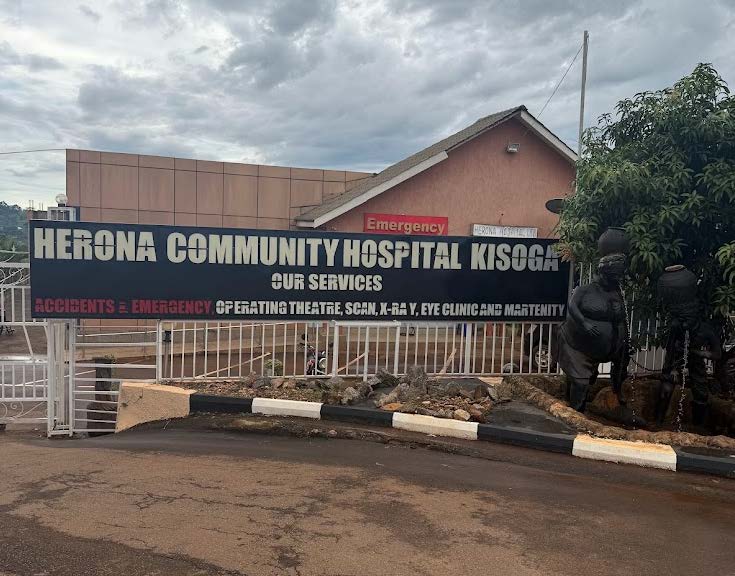
Lichtenstein Hernia Surgical Mission at Herona Community Hospital
Herona Community Hospital is located in Kisoga, Mukono District, about 40 km east of Kampala, the capital of Uganda. The hospital serves a wide rural catchment area where most residents live in poverty and have limited access to surgical services. Many patients suffer from treatable conditions such as hernias but are unable to afford surgery due to financial constraints and long travel distances to referral hospitals.
In rural hospitals such as Herona, much of the care is rendered by non-specialist physicians. These general doctors provide a wide array of medical and surgical care including primary care, pediatrics, obstetrics, C-sections, and basic trauma care.
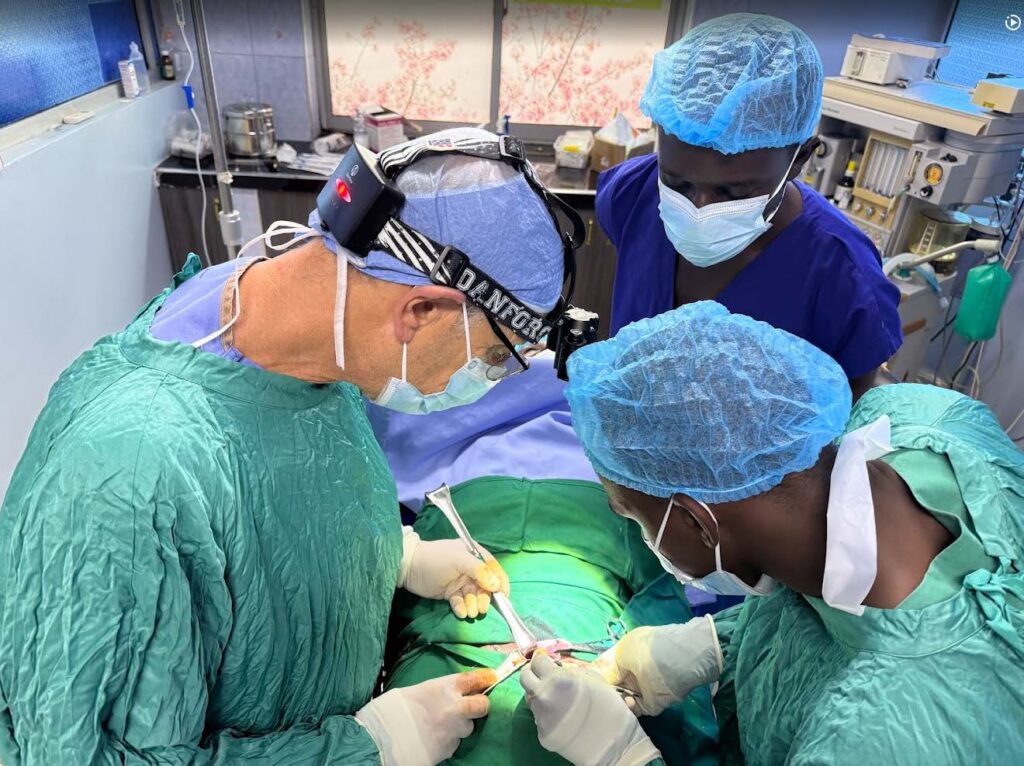
Our goal with this mission was to attempt to teach these doctors basic hernia repair techniques so that they could leverage these new skills from our visit to perform surgeries on their own.
Dr. Henry Garvin, the hospital director, arranged for several local physicians to assist and perform hernia surgeries under the instruction of Drs. Hassan and Kravitz.
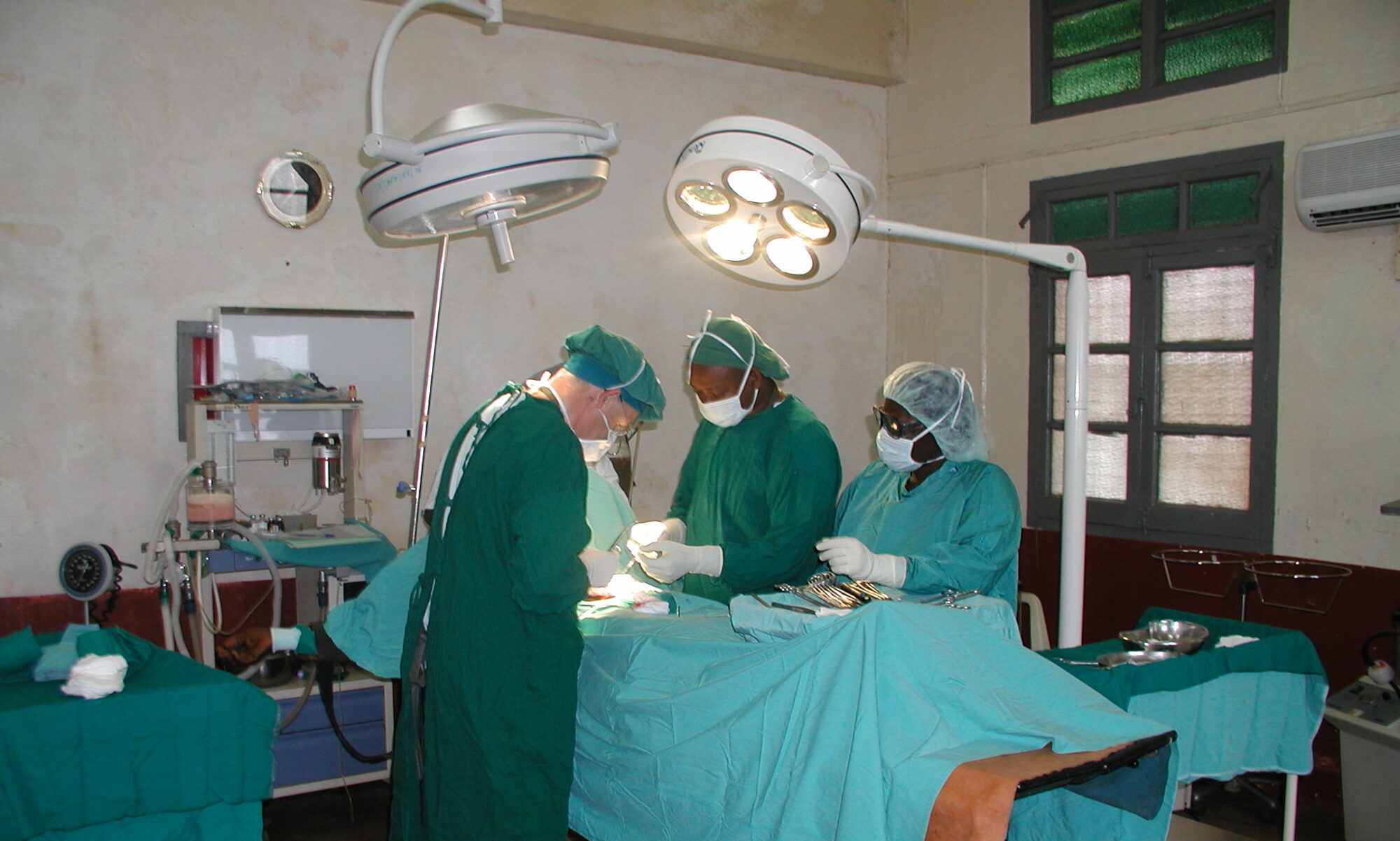
The operating rooms were well supplied with sutures, and the hernia meshes had been prepared and supplied by nurses at the hospital, from low-cost material provided by AMSA Plastics.
We were impressed with the basic surgical skills of the local doctors. We felt they were equivalent to most PGY-3 residents in the USA. They were very enthusiastic about learning the Lichtenstein technique as well as basic umbilical hernia repairs.
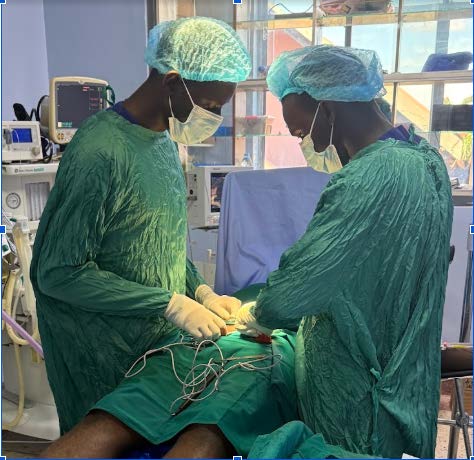
They assisted, and then were given primary surgeon roles as the week progressed. There were even a few cases where they assisted each other without supervision.
A total of 42 patients were treated. These patients had mostly inguinal and femoral hernias, as well as some umbilical and epigastric hernias. Most of these cases were done under spinal anesthesia.
Since we have left, they have done a few cases on their own. We have sent them instructional videos and have remained in touch. They are keeping a log of their cases, and hopefully we will be able to use this model in other locations to expand the impact that Hernia International can make on the communities that we serve.